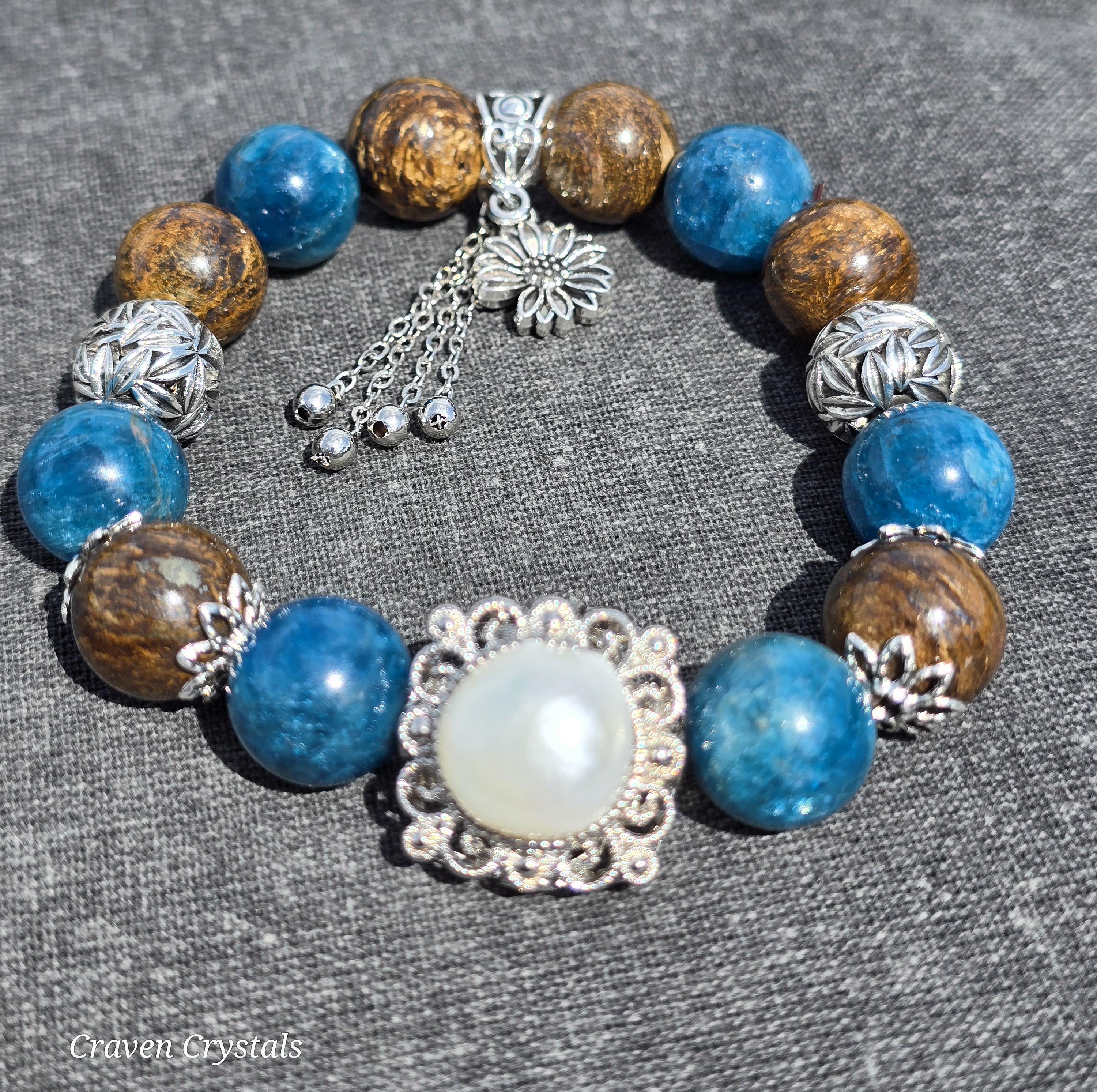
Every piece of jewelry tells a story—not just through the stones, but through the metal that holds them. The metal determines how a piece feels on the skin, how it wears over time, and how it fits into your everyday life. At Craven Crystals, each design is created with intention, using metals that balance beauty, durability, and accessibility. The primary materials include Sterling Silver (S925), silver or gold plated copper, Tibetan Silver, Alloy and Stainless Steel—each chosen for its unique qualities and role in the design. From precious metals like gold and silver to modern alloys and alternative finishes, each material carries its own story, strengths, and ideal uses. Understanding these differences allows you to choose jewelry that aligns with your lifestyle, aesthetic, and intention.
Precious Metals
Precious metals are valued for their rarity, beauty, and resistance to corrosion. They form the foundation of fine jewelry.
Gold
Gold has been cherished for thousands of years for its warmth, luster, and permanence. In its pure form (24k), gold is soft and malleable, so it is often alloyed with other metals to increase strength.
- Yellow Gold: Classic and timeless, created by combining pure gold with copper and silver.
- White Gold: Mixed with metals like nickel or palladium and often plated with rhodium for a bright, silvery finish.
- Rose Gold: A blend of gold and copper, giving it a warm pink hue.
- Green Gold: A rarer alloy using silver to create a subtle greenish tone.
Purity Levels:
- 24k (pure, soft)
- 18k (75% gold)
- 14k (58.5% gold, most common for durability)
Gold is resistant to tarnish but can scratch, especially in higher karats, and is very expensive.
Silver
Silver is a bright, reflective metal widely used in jewelry.
- Fine Silver (999): Softer and more pure, less commonly used in jewelry
- Argentium Silver: A modern silver alloy with added germanium for tarnish resistance
- Sterling Silver (925): 92.5% silver, alloyed with copper for strength
Sterling silver is one of the most widely loved metals in jewelry. Marked as S925, it contains 92.5% pure silver, alloyed with a small amount of other metals (usually copper) for strength. It has a bright, clean finish that complements both vibrant and neutral stones, making it a versatile and timeless choice. Sterling silver can naturally tarnish over time when exposed to air and moisture, but this is easily managed with proper care. Sterling silver is generally very safe, but because it contains 7.5% alloy metal (usually copper), some individuals may experience mild skin reactions. Tarnish can also form due to oxidation, which is harmless but sometimes mistaken for a reaction.
Why it’s used Sterling silver offers a balance of quality, beauty, and longevity, making it ideal for everyday wear and meaningful pieces.
What This Means for Wearers
- Rarely causes irritation
- Safe for most people, including sensitive skin
- Tarnish is cosmetic, not harmful
Best Practices
- Clean regularly to prevent buildup
- Store properly to reduce oxidation
- Ideal for everyday wear
Platinum
Platinum is one of the most durable and dense precious metals. Naturally white in color, it does not require plating.
- Extremely resistant to wear
- Hypoallergenic
- Develops a soft patina over time rather than tarnishing
Its weight and rarity make it one of the most premium and expensive jewelry metals.
Palladium
A member of the platinum family, palladium is lightweight, naturally white, and resistant to tarnish.
- More affordable than platinum
- Hypoallergenic
- Increasingly popular in fine jewelry
Alternative & Modern Metals
These metals offer durability, affordability, and unique aesthetics, often used in contemporary jewelry design.
Stainless Steel
Stainless steel is used in select pieces for its strength and resistance to tarnish. It is a modern metal known for being:
- Highly durable and scratch-resistant
- Does not tarnish easily
- Affordable and low maintenance
It maintains its finish well over time and is ideal for components that need extra resilience, such as clasps or structural elements. Stainless steel is one of the safest metals used in jewelry, but some alloys may contain small amounts of nickel. Most high-quality stainless steel (like 304 or 316L) is considered hypoallergenic, though extremely sensitive individuals may still react.
Why it’s used Stainless steel adds durability and longevity where strength matters most.
What This Means for Wearers
- Very low risk of irritation
- Highly durable and stable
- Safe for long-term wear for most people
Best Practices
- Ideal for sensitive skin compared to other base metals
- Great for everyday, long-term wear
Copper
One of the oldest metals used in jewelry, copper has a rich, earthy tone.
- Conductive and antimicrobial
- Develops a natural patina
Copper is known to react with skin, especially when exposed to moisture, sweat, or body chemistry. This can cause:
- Green discoloration on the skin (harmless, but common)
- Mild irritation for sensitive individuals
Plating adds a protective layer, but over time it can wear down, exposing the copper beneath.
What This Means for Wearers
- Green marks are not harmful, just a natural chemical reaction
- Sensitivity varies by person
- More likely to react in humid or sweaty conditions
Best Practices
- Keep dry and avoid prolonged moisture
- Remove before washing hands or exercising
Titanium
Lightweight yet incredibly strong, titanium is known for its comfort and resilience.
- Hypoallergenic
- Resistant to corrosion
- Can be anodized to produce color variations
Ideal for those with sensitive skin or active lifestyles.
Tungsten
Tungsten is extremely hard and scratch-resistant, often used in bands and statement pieces.
- Maintains polish well
- Heavier feel
- Can be brittle under extreme force
Brass
An alloy of copper and zinc, brass has a warm, gold-like appearance.
- Affordable alternative to gold
- Can tarnish and develop patina over time
- May cause skin discoloration in some individuals
Bronze
A blend of copper and tin, bronze offers a deeper, antique gold appearance.
- Durable
- Develops patina over time
- Popular in artisan and vintage-inspired jewelry
Specialty & Plated Metals
These materials provide aesthetic versatility at a more accessible price point.
Plated & Filled
- Gold-Plated: A thin layer of gold over a base metal; may wear over time
- Gold-Filled: A thicker bonded layer of gold, more durable than plating
Rhodium-Plated
Rhodium is often used to coat white gold or silver, giving a bright, reflective finish and added tarnish resistance. This plating may require reapplication over time.
Tibetan Silver & Alloy Metals
“Tibetan silver” and similar terms typically refer to mixed metal alloys designed to resemble silver.
- Often contain little to no actual silver
- Used in fashion or artisan jewelry
- May tarnish or react with skin depending on composition
Despite the name, Tibetan silver is not pure silver. It is a metal alloy crafted to resemble silver in appearance while offering strength and affordability. Tibetan silver has been used in artisan jewelry for generations, especially in pieces inspired by traditional and symbolic designs. Its slightly darker tone gives it a soft, antique look that pairs beautifully with natural stones. Because it is an alloy, its exact composition can vary, but it is typically made from a blend of base metals with a silver-like finish. Some lower-quality versions in the market may contain trace amounts of metals like nickel or other base metals that can cause skin irritation in sensitive individuals. In rare cases, very low-grade alloys (not from reputable sources) have historically contained small amounts of lead, though this is far less common today with better sourcing practices.
Why it’s used Tibetan silver allows for intricate detailing, symbolic charms, and bold design elements while keeping pieces accessible and wearable.
Potential side effects
- May cause skin sensitivity for those with metal allergies
- Not ideal for prolonged moisture exposure (can increase reactions)
Best Practices
- Avoid wearing during sweating, swimming, or showering
- Recommend for occasional or moderate wear if someone has sensitivities
Color Variations in Metals
Modern jewelry includes a wide range of finishes:
- Black Metals: Created through oxidation or plating (e.g., black rhodium)
- Gunmetal: Dark gray, industrial finish
- Antique / Oxidized: Darkened to highlight detail
- Matte / Brushed: Soft, non-reflective finish
These finishes add personality and depth to a piece but may require specific care.
Care & Handling
Each metal benefits from proper care to maintain its beauty:
- Store jewelry in a dry, separate space to prevent scratches
- Avoid exposure to perfumes, lotions, and harsh chemicals
- Remove jewelry before swimming or heavy activity
- Clean with a soft cloth regularly
- Use appropriate cleaners depending on the metal type
Plated jewelry should be handled more gently to preserve its finish.
Skin Sensitivity
Everyone’s body chemistry is different. Factors like sweat, pH levels, lotions or perfumes, or heat and humidity can all influence how metals react on the skin.
Tarnish vs. Reaction
It’s important to distinguish:
- Tarnish: A surface change in the metal (not harmful)
- Allergic Reaction: Redness, itching, or irritation (less common)
Moisture Is the Biggest Factor
Water, sweat, and humidity accelerate tarnishing, plating wear, and skin reactions
Keeping jewelry dry is one of the simplest ways to extend its life and comfort.
Final Thoughts
Jewelry is not just about the stones you wear—it’s about the foundation that holds them. Metals bring structure, strength, and style, shaping how a piece feels, lasts, and lives with you over time. Understanding metals allows you to choose pieces that aren’t just beautiful, but intentional—crafted to match your lifestyle, your energy, and your story. Choosing the Right Metal depends on your priorities, preferences and needs. Like all jewelry metals, reactions can vary slightly from person to person depending on skin chemistry. Our materials—Tibetan silver, sterling silver, plated copper, and stainless steel—are all widely trusted in jewelry making. With proper care and clear expectations, they offer beauty, wearability, and accessibility for all to enjoy.